CARE GUIDES
How to clean a wooden salad bowl: A simple step-by-step care guide
Learn how to clean a wooden salad bowl with gentle washing, careful drying, and finish-aware conditioning.
The short answer
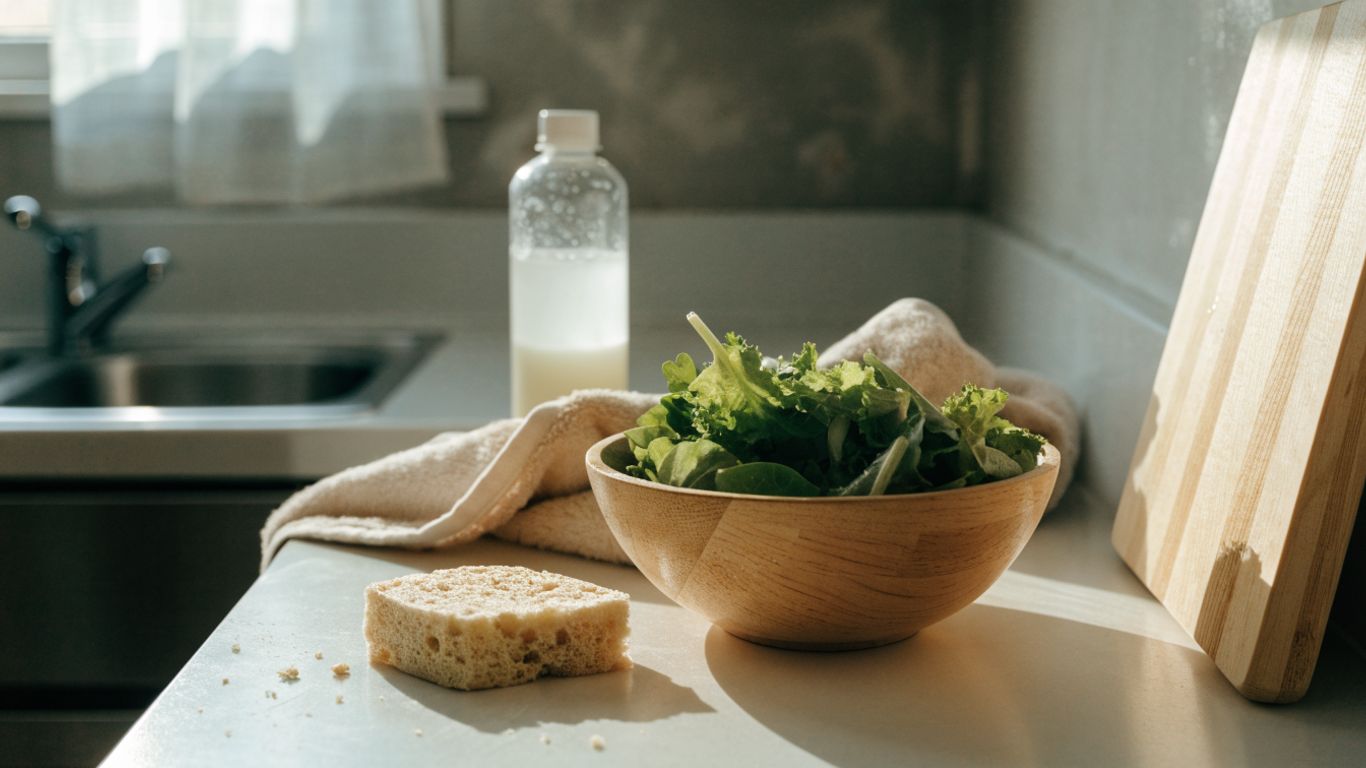
To clean a wooden salad bowl, hand-wash it promptly with warm water and mild dish soap, then dry it thoroughly and follow care instructions for its finish. A little restraint helps: wood needs cleaning, not soaking or aggressive scrubbing.
- Wipe out dressing and food soon after serving.
- Wash the bowl by hand with a soft sponge and a small amount of soap.
- Towel-dry it promptly, then let air circulate around it.
- Loosen dried food with a damp cloth instead of scraping.
- Condition only with a food-safe product suited to the bowl’s finish.
What should you know before cleaning a wooden salad bowl?
A wooden salad bowl is best cleaned by hand, without soaking it or leaving water pooled inside. Before you wash it, check whether its finish is oil, varnish, or something else, since the care instructions can differ. Keep the routine simple and use the bowl maker’s guidance when it is available.
Check whether the bowl has an oil or varnish finish
Look for a care card, product listing, or instructions from the maker before applying anything beyond soap and water. An oil finish generally leaves the wood’s surface feeling like wood, while varnish forms a more noticeable surface coating; appearance alone may not tell you exactly what was used. If you cannot identify the finish, avoid experimenting with oils, waxes, or cleaners and ask the maker for care advice.
| Finish or situation | What to check | Conservative approach |
|---|---|---|
| Oil finish | Maker’s instructions for cleaning and conditioning | Hand-wash and dry; condition only as directed |
| Varnish finish | Whether the coating is intact and what cleaners are allowed | Use mild soap and water; avoid abrasives |
| Unknown finish | Any care card or product details | Skip conditioning until you confirm what is suitable |
This comparison is a guide to what to look for, not a way to identify every finish by sight. If you are uncertain, plain hand-washing and prompt drying are the safest starting point.
Gather mild dish soap, a soft sponge, and a clean towel
Set out the few things you need before you start: mild dish soap, a soft sponge or cloth, and a clean towel. A second dry cloth can help if the first one becomes damp. For general woodenware care beyond bowls, see this guide to the best oil for wooden spoons.
Avoid the dishwasher, harsh cleaners, and abrasive scrubbers
Skip the dishwasher, even if the bowl looks sturdy; heat and prolonged moisture are hard on wood and may damage its finish. Harsh cleaners and abrasive pads can also wear the surface. The trade-off is that hand-washing takes a little attention, but it gives you control over how wet and how roughly the bowl is treated.
How do you wash the bowl after each use?
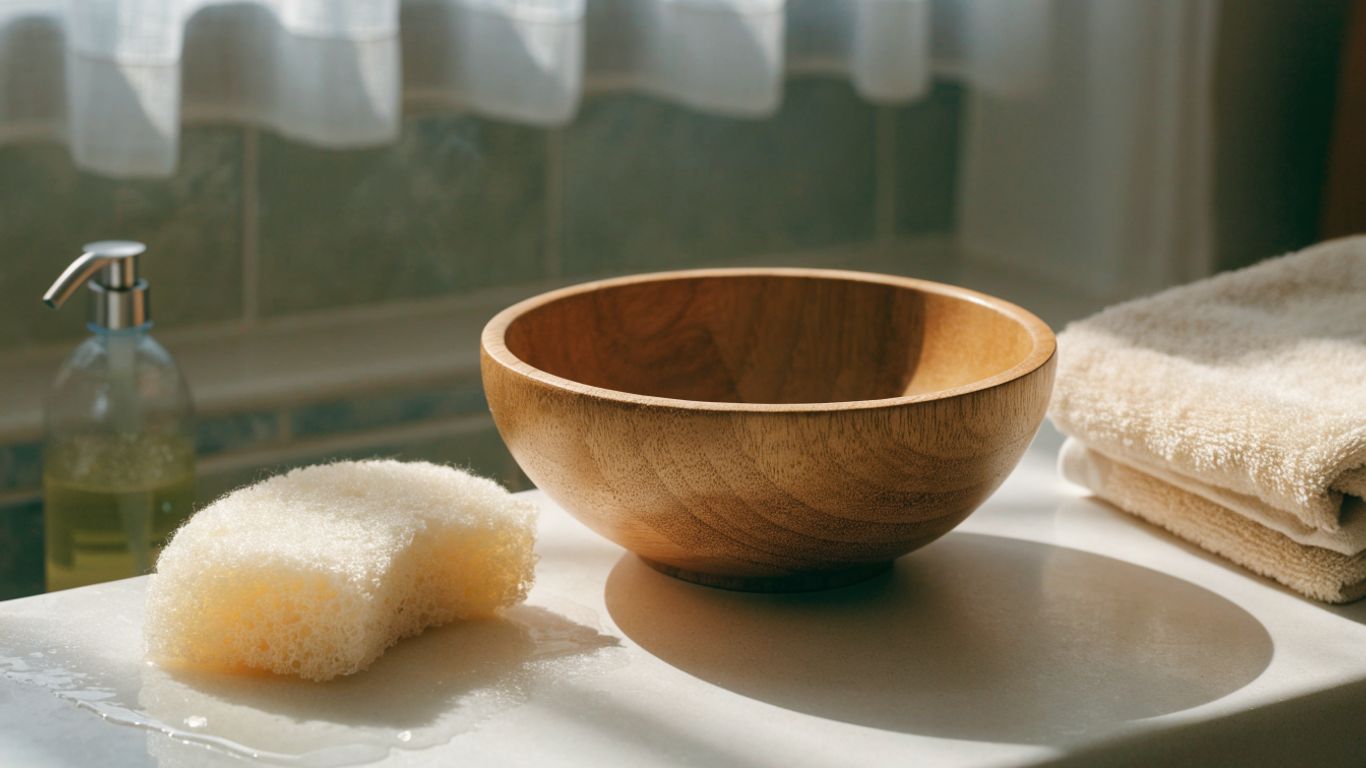
Wash the bowl soon after serving rather than letting dressing dry onto the surface. Warm water, a small amount of mild soap, and a soft sponge are usually enough for routine cleanup. Keep the rinse brief and dry the bowl when washing is done.
Wipe out leftover dressing and food promptly
Use a paper towel or soft cloth to remove leftover salad, oil, and dressing before washing. This small first step means less residue to work loose at the sink. Pay attention to the bottom of the bowl, where oily dressing can collect.
Wash with warm water and a small amount of dish soap
Use warm, not very hot, water and just enough mild dish soap to lift food residue. A short, careful wash is more useful than prolonged rinsing. These simple wood salad bowl care notes also cover washing and drying wooden bowls and boards.
A short sequence keeps the bowl from sitting wet while you work. Move through these steps without letting water gather in the bowl:
- Wet the sponge or cloth with warm water.
- Add a small drop of mild dish soap.
- Wipe the bowl gently, then rinse away the suds.
- Move straight to a clean towel for drying.
The point is a complete but brief wash, not a long soak. If you can still feel greasy residue, repeat a gentle pass with soap rather than reaching for a scouring pad.
Clean the inside, rim, and outside without soaking the wood
Wipe the inside first, then the rim and outside, using the same gentle pressure throughout. Rinse with a quick stream or a damp cloth rather than submerging the bowl. A damp cloth is often enough for the outside if it is not visibly dirty.
How do you dry the bowl without damaging it?
Drying matters as much as washing: do not leave the bowl wet on the counter or store it while damp. Towel-dry it promptly, then give it space for air to reach the whole surface. Keep it away from direct heat while the remaining moisture evaporates.
Towel-dry the bowl as soon as washing is done
Use a clean towel to dry the inside, rim, and outside as soon as you finish rinsing. Take care around the curve at the bottom, where water can linger. Dry it before storing rather than relying on the cupboard to finish the job.
Let air circulate around the bowl while it finishes drying
After towel-drying, place the bowl where air can reach both its inside and outside. Avoid nesting it inside another bowl or setting it on a damp surface. It should feel completely dry before you put it away.
This extra air-drying step is simple, but it prevents trapped moisture from being shut away with the bowl. If you are also caring for a board, the maple cutting board cleaning guide covers a similar hand-wash-and-dry routine.
Keep it away from direct heat and prolonged sunlight
Let the bowl finish drying in a spot away from a hot stove, radiator, or prolonged direct sunlight. Fast, uneven drying can stress wood and may affect its finish. A stable, shaded counter is a better place to leave it while it dries.
How do you handle oily dressing, stuck-on food, and lingering smells?
Most stubborn bowl messes respond to patience and a soft cloth, not stronger chemicals. Start by removing what you can, then use mild soap and a little water for the remainder. For an odor, clean the surface and dry the bowl completely before deciding it needs anything more.
Lift greasy residue with soap and a soft cloth
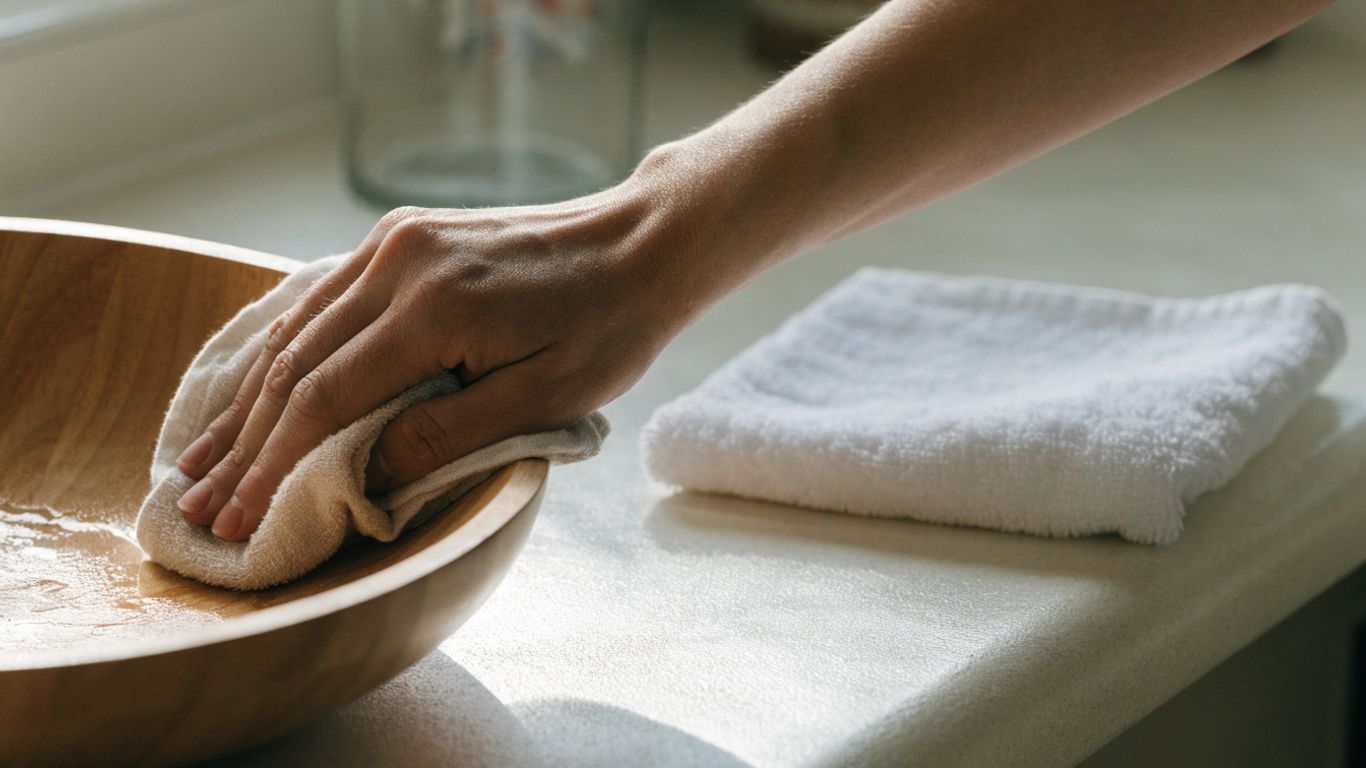
For a greasy film, wipe the bowl with a soft cloth and warm, soapy water, then rinse it promptly. If the first pass leaves a slick feel, wash once more rather than using an abrasive scrubber. Dry thoroughly so that soap and water are not left sitting on the wood.
Loosen dried food with a damp cloth instead of scraping
Lay a damp cloth over stuck-on food briefly to soften it, then wipe gently. Avoid knives, metal tools, or hard scraping that can mark the surface. If the food does not come away on the first pass, repeat the damp-cloth step instead of increasing pressure.
Treat mild odors with a quick wipe and thorough drying
A quick wipe with a clean, damp cloth followed by full drying is a sensible first response to a mild food smell. Do not mask the odor with scented cleaners or leave the bowl soaking. If the smell remains, check the bowl maker’s instructions before trying a stronger treatment; these wood-bowl care suggestions offer further general guidance.
How do you refresh a dry or dull wooden bowl?
A bowl that looks faded or feels rough may need care beyond routine washing, but first confirm what finish it has. Products that are appropriate for one surface may not suit another. Follow the bowl maker’s directions and use only a food-safe product specifically suited to that finish.
Look for a rough feel or faded appearance
Once the bowl is clean and dry, run your hand lightly over the surface and look for areas that seem dull compared with the rest. A change in appearance alone does not tell you which product to use. Check the maker’s care instructions before treating the bowl.
Use a food-safe product suited to the bowl’s finish
Bevel & Bond Board Balm is an 80/20 blend of food-grade mineral oil and beeswax, and its product page lists wooden spoons and bowls among the surfaces it suits, along with cutting boards. It is meant for unfinished or oil-finished wood. If your bowl has a lacquer, varnish or other sealed finish, follow the bowl maker’s instructions instead.
Apply a thin coat and remove any excess
If the bowl maker recommends a conditioner, follow its directions and apply only the amount specified. Wipe away excess rather than leaving a thick, tacky layer on the surface. Board Balm’s documented composition is mineral oil and beeswax; that fact alone does not establish that it is right for every wooden bowl.
How do you prevent common cleaning problems?
The easiest way to avoid damage is to make cleaning and drying part of putting the bowl away. Do not let dressing or rinse water sit in it, and avoid routine treatments that are not recommended for its finish. Store it only after it is clean and fully dry.
Don’t leave dressing or water sitting in the bowl
Empty the bowl after serving and wipe out dressing before it has time to cling to the surface. After washing, do not leave rinse water pooled in the bottom. A quick cleanup is easier on the wood than a long soak followed by vigorous scrubbing.
Avoid using cooking oils that can turn rancid
Do not reach for olive oil or vegetable oil as a casual conditioning shortcut. Cooking oils can develop an unpleasant smell over time, and they may leave the bowl feeling greasy. If the finish needs care, rely on the bowl maker’s recommendation for a suitable food-safe product instead.
Store the bowl clean and completely dry
Put the bowl away only when it is dry, and avoid storing it in a place where moisture is trapped. Leave room for air around it rather than stacking it tightly with damp kitchenware. This modest habit helps keep the bowl ready for its next salad.
What to remember when you clean a wooden salad bowl
A wooden salad bowl does not need complicated treatment: wipe away food promptly, wash gently by hand, dry it well, and follow the maker’s instructions for its finish. When you are unsure about conditioning, wait until you can confirm what is suitable for the bowl.
Best for
- Oil-finished bowls: hand washing and drying, with conditioning only as the maker directs.
- Varnished bowls: mild soap and water, with no abrasive scrubbers.
- Bowls with an unknown finish: gentle washing only, and no conditioning until you confirm what suits the bowl.
Frequently Asked Questions
Can you put a wooden salad bowl in the dishwasher?
No. Wash it by hand instead, since dishwasher heat and prolonged moisture can harm the wood or its finish.
Should you soak a wooden salad bowl?
No. Wash and rinse it briefly, then towel-dry it rather than leaving it submerged or full of water.
What soap should you use on a wooden salad bowl?
Use a small amount of mild dish soap with warm water and a soft sponge or cloth. Avoid harsh cleaners and abrasive scrubbers.
How should you dry a wooden salad bowl?
Towel-dry it as soon as washing is done, then let air circulate around it until it is completely dry. Keep it away from direct heat and prolonged sunlight.
How do you remove dried food from a wooden bowl?
Hold a damp cloth over the food briefly to soften it, then wipe gently. Avoid scraping with a knife or metal tool.
What can you do about a mild smell in a wooden salad bowl?
Wipe the bowl with a clean, damp cloth, then dry it thoroughly. If the odor persists, check the maker’s instructions before trying a stronger treatment.
How often should you condition a wooden salad bowl?
There is no single schedule for every bowl. Follow the maker’s guidance and use a conditioner only when it is suitable for the bowl’s finish.
What should you do next?
- Find the care card or product details and work out which finish your bowl has.
- Wipe out dressing soon after the meal, then wash by hand with a little mild dish soap.
- Dry the bowl inside and out before you put it away.
- Use the same habits for wooden spoons and utensils.
- Look after your baking tools with how to care for a wooden rolling pin.