CARE GUIDES
How to care for a bamboo cutting board: cleaning, oiling, and everyday upkeep
How to care for a bamboo cutting board: wash, dry, oil, and check it for damage with these simple habits.
The short answer
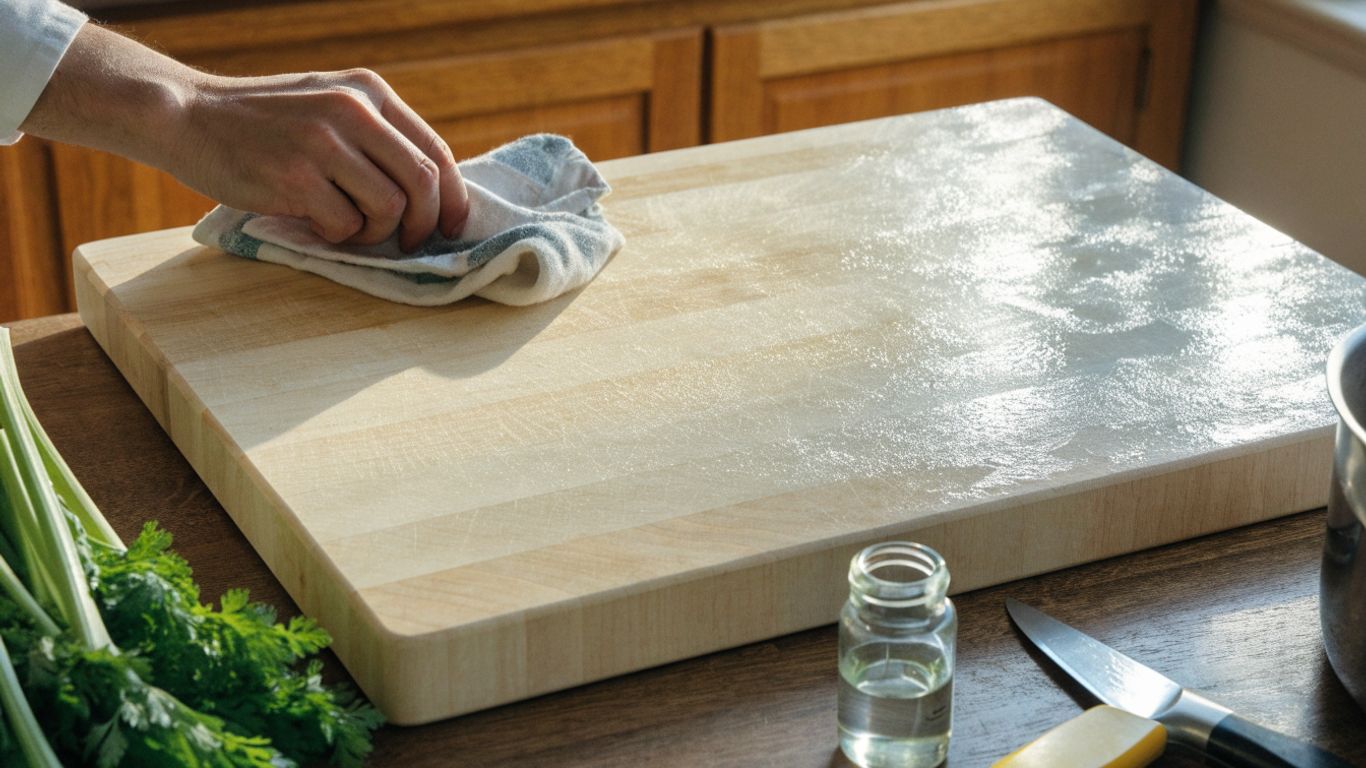
To learn how to care for a bamboo cutting board, keep its routine simple: wash it promptly, dry it fully, and condition it when the surface looks dry. A little care after each use is easier than trying to rescue a board that has been left wet or neglected.
- Scrape off scraps, then wash both sides with warm water and mild dish soap.
- Sanitize after raw meat using a product and method suitable for food-contact surfaces.
- Dry the board right away and let air reach both sides before storing it.
- Use food-grade mineral oil or a suitable board conditioner when the surface looks faded or dry.
- Retire the board if deep damage or persistent mold cannot be cleaned or repaired safely.
How should you clean a bamboo board after each use?
Wash your bamboo board soon after cooking, rather than leaving food and juices on it. Use warm water and mild dish soap, and clean both faces even if you only cut on one. The routine is straightforward, but avoiding a long soak matters: bamboo is made from joined pieces, and prolonged moisture can stress the material and its seams.
Scrape away food scraps before washing
Clear the surface with a bench scraper or the back of a knife before you reach for the sink. This takes off clinging bits without making you scrub harder than necessary, and it keeps food scraps from collecting around the faucet or drain. If residue has dried, wet a cloth and lay it over the spot briefly, then wipe it away; don’t leave the board sitting in water.
Wash both sides with warm water and mild dish soap
Use a soft sponge or cloth with warm water and a small amount of mild dish soap. Wash the top, underside, and edges, then rinse promptly and wipe away suds. The same basic approach works for everyday care of other wooden boards, as explained in this guide to cleaning a maple cutting board.
A quick reference can help you match the cleanup to the job. These are practical distinctions, not a reason to leave the board wet while you decide.
| Situation | What to do | Keep in mind |
|---|---|---|
| Dry crumbs or vegetable scraps | Scrape, then wash with soapy water | Don’t gouge the surface while scraping |
| Sticky food residue | Loosen with a damp cloth, then wash | Avoid soaking the board |
| Raw meat juices | Wash promptly, then sanitize | Follow directions for a food-contact surface |
Once clean, rinse both faces and move straight to drying. A few minutes at the sink is plenty; standing water is not an upgrade to the cleaning process.
Sanitize the surface after preparing raw meat
After cutting raw meat, wash the board first, then sanitize it with a product intended for food-contact surfaces, following its label directions. Rinse afterward if the label calls for it, and dry the board fully. A separate board for raw meat can make kitchen cleanup simpler, but whichever board you use, don’t rely on a quick wipe alone after raw meat has touched it.
How should you dry and store the board?
Drying matters as much as washing: bamboo should not be stored damp or left in a puddle beside the sink. Towel-dry the board, then give it open air on both sides until it is completely dry. A few small placement habits help keep moisture from lingering in seams or against a counter.
Towel-dry it as soon as you finish washing
Use a clean towel to remove water from both faces, edges, and corners as soon as you finish rinsing. Pay attention to any groove or seam where droplets can collect. This quick pass limits the time water sits on the board; it does not replace air-drying, especially after a thorough wash.
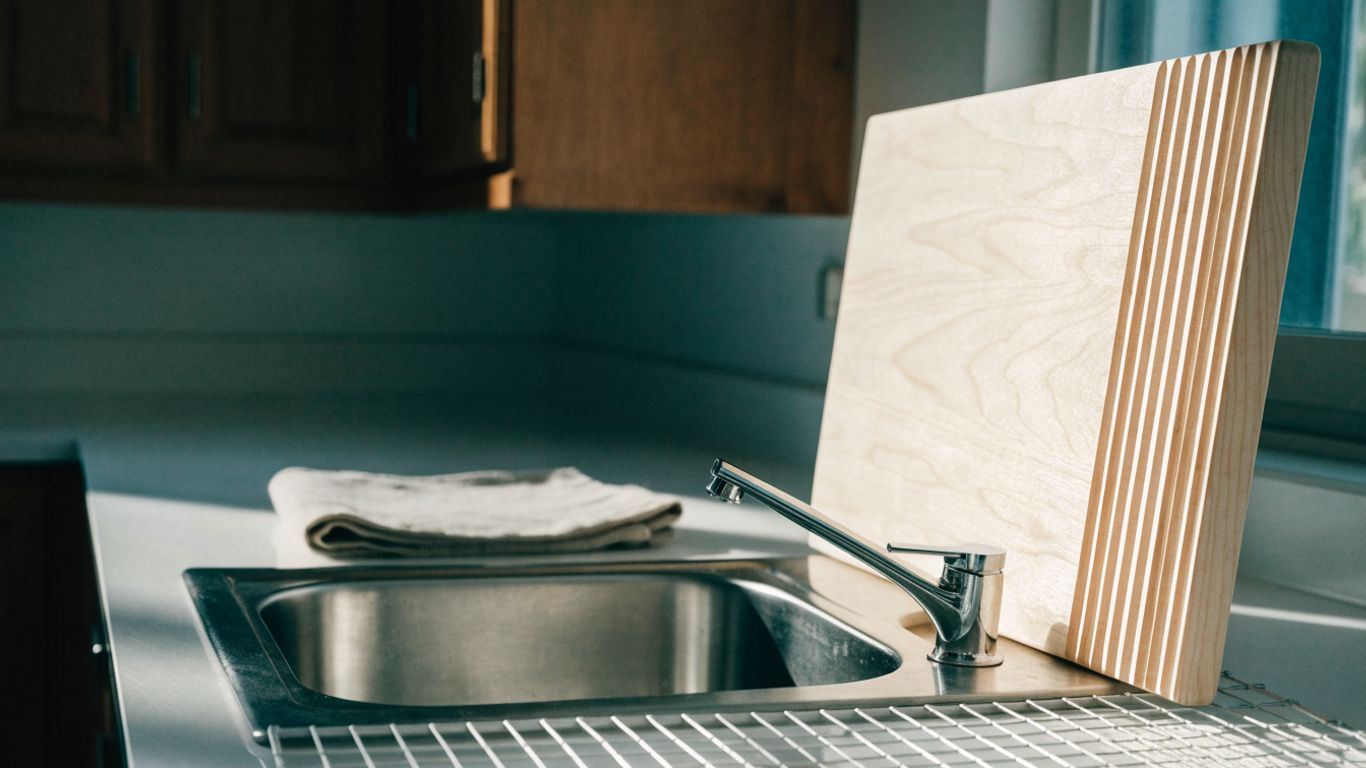
Stand it on edge so air can reach both sides
Set the board upright on a stable edge or rack, with space around it for air to circulate. That lets both broad faces dry instead of trapping moisture against the counter. For more detail on the same routine, see these bamboo board care tips, which cover cleaning and drying as well as everyday upkeep.
Keep it away from sinks, dishwashers, and standing water
Choose a dry storage spot rather than leaning the board where sink splashes or pooled water can reach it. Keep it clear of the dishwasher, too; heat and prolonged moisture are a poor combination for a laminated board. Once it is fully dry, store it upright or flat in a dry cabinet, not wedged tightly between damp items.
When should you oil a bamboo board?
Condition the board when it begins to look dull, pale, or dry, rather than waiting for a rough, thirsty surface. Use a product made for cutting boards, such as food-grade mineral oil, and keep the coat light. The trade-off is simple: regular conditioning takes a little time, while too much oil leaves a greasy surface that needs wiping.
Look for a dry or faded surface as a cue to oil
Check the board now and then under ordinary kitchen light. If the surface looks noticeably faded or dry, it may be time to condition it; how often that happens depends on use and washing, so a calendar date is only a rough prompt. This guide to oiling a wooden cutting board walks through the general application routine.
Choose a food-safe oil that will not turn rancid
Choose food-grade mineral oil or a conditioner intended for cutting boards. Avoid olive, vegetable, and other cooking oils, which can develop unpleasant odors as they age. If you are weighing the options, this comparison of maple cutting board conditioners explains the differences among mineral oil, beeswax blends, and board balm.
Apply a thin coat and wipe away any excess
For an even, tidy application, treat the board in a few simple steps rather than pouring oil over it and hoping for the best. A clean cloth makes it easier to control how much reaches the surface.
- Start with a clean, completely dry board.
- Spread a small amount of food-grade mineral oil over both faces and the edges.
- Let it absorb, then wipe away any oil still sitting on the surface.
The goal is a light, even finish, not a slick one. A thin coat is enough for routine upkeep; if the board still feels greasy after wiping, use a fresh cloth to remove the excess.
How can you limit wear on the board?
Everyday habits affect how quickly a board develops deep cuts or rough spots. Use a sharp knife, avoid treating the surface like a general workbench, and keep raw meat cleanup separate when practical. Bamboo is a useful kitchen surface, but it still needs sensible use and cleaning.
Keep knives sharp to reduce deep cuts and gouges
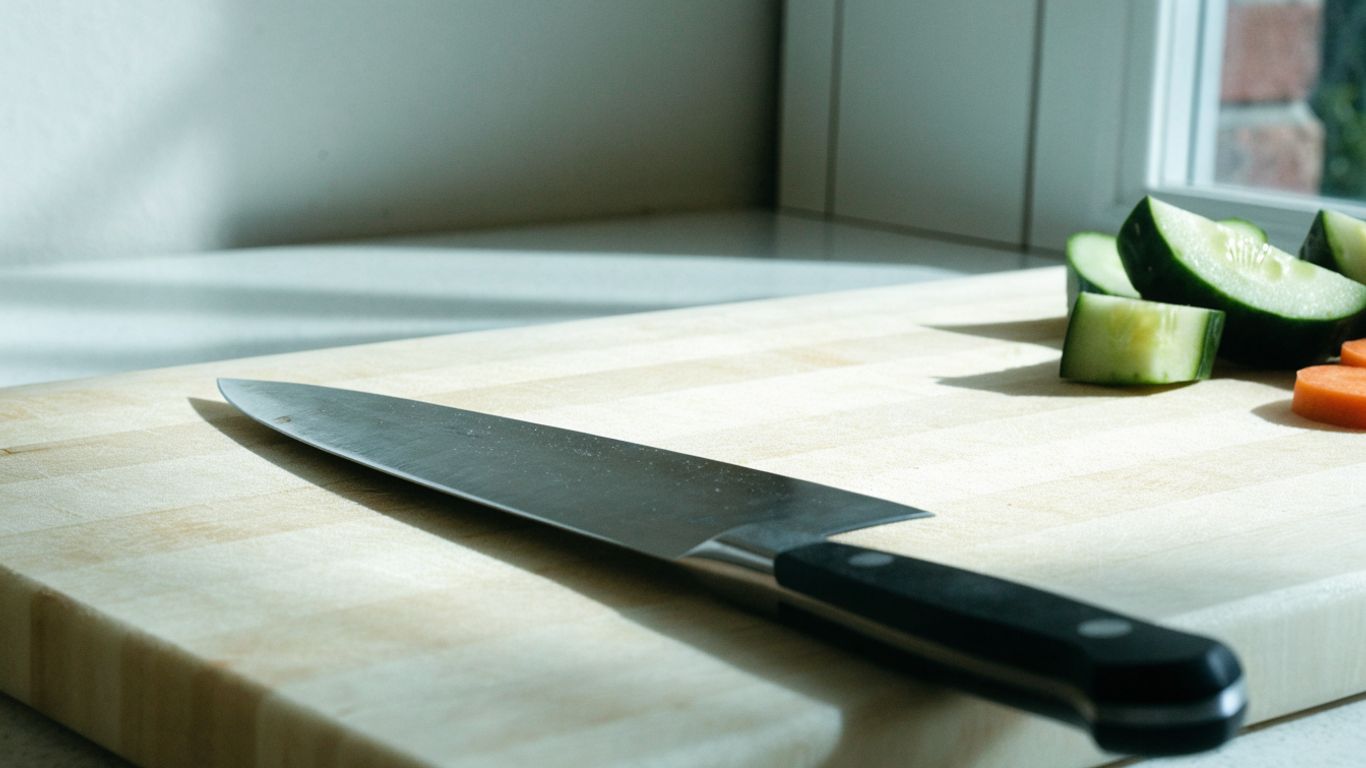
A sharp knife cuts with less force than a dull one, which can help you avoid forceful chopping that leaves deep gouges. Use a controlled cutting motion and avoid hacking at hard foods. If your knife needs attention, this home knife-sharpening guide covers the basics of sharpening carefully.
Use a separate board for raw meat when practical
A dedicated board for raw meat keeps its juices away from ingredients you plan to eat raw or serve without further cooking. If you have only one board available, clean and sanitize it before using it for another food. Either way, wash your hands and any tools that contacted raw meat, too.
Avoid using the board as a trivet or heavy-duty work surface
Keep hot pans, heavy pounding, and rough utility tasks off the cutting surface. Heat can affect glued construction, while repeated forceful impacts can leave damage that is difficult to clean. Use the board for cutting and serving, and reserve other kitchen surfaces for hot cookware or heavy work.
How do you deal with odors, stains, and rough patches?
A smell or stain does not automatically mean the board is ruined. Start with gentle cleaning and short contact with water, then dry the board completely before judging the result. Strong chemicals, harsh scrubbing, and long soaks can create a bigger problem than the mark you set out to remove.
Remove lingering smells without soaking the board
Wash the board and dry it first; sometimes food residue is the whole source of the odor. If a smell remains, try a light application of baking soda with a damp cloth, then rinse quickly and dry both sides. Avoid leaving acidic or wet mixtures on the surface for a long time. The separate guide to removing odors offers additional gentle options for wooden boards.
Treat stains gently to protect the bamboo surface
For a surface stain, begin with dish soap and a soft cloth. If needed, use a small amount of baking soda on a damp sponge and rub gently, then rinse and dry. Skip abrasive pads and bleach unless a product label specifically identifies a suitable method for the surface and food-contact use; aggressive treatment can leave the board rough or discolored.
Smooth minor roughness without sanding through the finish
If a small area feels rough after cleaning, first make sure the board is fully dry. A very light pass with fine sandpaper may smooth minor raised fibers, but avoid sanding deeply or through a surface finish, especially if you are unsure how the board was treated. Remove all dust and condition the board afterward; if the roughness is widespread, consider whether repair is appropriate rather than sanding at random.
What damage affects safe use?
Inspect your board occasionally, particularly after it has been left wet or has taken a hard impact. A little surface wear is expected, but deep damage and persistent moisture problems deserve attention. If you cannot clean the board thoroughly or repair it without compromising the surface, replace it.
Inspect glued seams for separation or swelling
Look along the edges and seams for a gap, raised area, or swelling that was not there before. Do not keep using a board with a seam that traps food or water and cannot be cleaned. A small change in appearance is not always a failure, but a spreading separation calls for a closer look.
Watch for cracks, deep grooves, and persistent mold
Check for cracks that collect debris, grooves that remain difficult to clean, and mold that returns after cleaning and complete drying. Shallow knife marks alone do not necessarily mean the board must go, but deep cuts can be hard to sanitize reliably. If a suspicious spot persists or the board smells musty despite careful cleaning, stop using it for food.
Replace the board if damage cannot be cleaned or repaired safely
Keep using the board only if its surface remains cleanable and structurally sound. Persistent mold, an open seam, or a deep crack that holds residue is a good reason to retire it. The sensible cutoff is not cosmetic perfection; it is whether you can clean and dry the board thoroughly every time.
What to remember when you care for a bamboo cutting board
Good bamboo board care is mostly a matter of timing: wash promptly, dry thoroughly, and condition the surface when it looks dry. Keep soaking, dishwashers, and cooking oils out of the routine, and check periodically for damage that makes the board hard to clean. Those small habits help you get dependable use from the board without turning kitchen cleanup into a project.
Frequently Asked Questions
Can you put a bamboo cutting board in the dishwasher?
No. Wash it by hand with warm water and mild dish soap, then dry it promptly. Dishwasher heat and extended moisture can stress the board and its glued seams.
How often should you oil a bamboo cutting board?
There is no single schedule that suits every board. Check its surface regularly and apply food-grade mineral oil or a cutting-board conditioner when it looks dry or faded.
What oil is safe for a bamboo cutting board?
Use food-grade mineral oil or a conditioner made for cutting boards. Avoid olive and vegetable oils because they can become rancid and develop odors.
Can you soak a bamboo cutting board?
No. Wash it briefly and rinse promptly rather than leaving it submerged or sitting in water. Towel-dry it and let it air-dry fully.
How do you sanitize a bamboo cutting board after raw meat?
Wash it first, then use a sanitizer intended for food-contact surfaces according to its label. Rinse if directed and allow the board to dry completely.
How do you get smells out of a bamboo cutting board?
Wash and dry it first. If an odor remains, try a gentle baking-soda rub with a damp cloth, rinse promptly, and dry both sides without soaking.
When should you replace a bamboo cutting board?
Replace it if persistent mold, deep grooves, cracks, or separated seams prevent thorough cleaning or safe repair. Minor surface marks alone do not necessarily mean it is unusable.
What should you do next?
- Wash and towel-dry the board after each use, then stand it on edge.
- Look at the surface this week. If it looks dry or faded, apply a thin coat of food-grade mineral oil and wipe off the excess.
- Check the glued seams and replace the board if cracks or mold will not clean out.
- Compare the routine with how to care for a teak cutting board.
- If your board has a groove, follow how to clean a cutting board juice groove.