CARE GUIDES
How to care for a wooden rolling pin: cleaning, drying, and storage
Learn how to care for a wooden rolling pin with simple cleaning, drying, oiling, and storage habits.
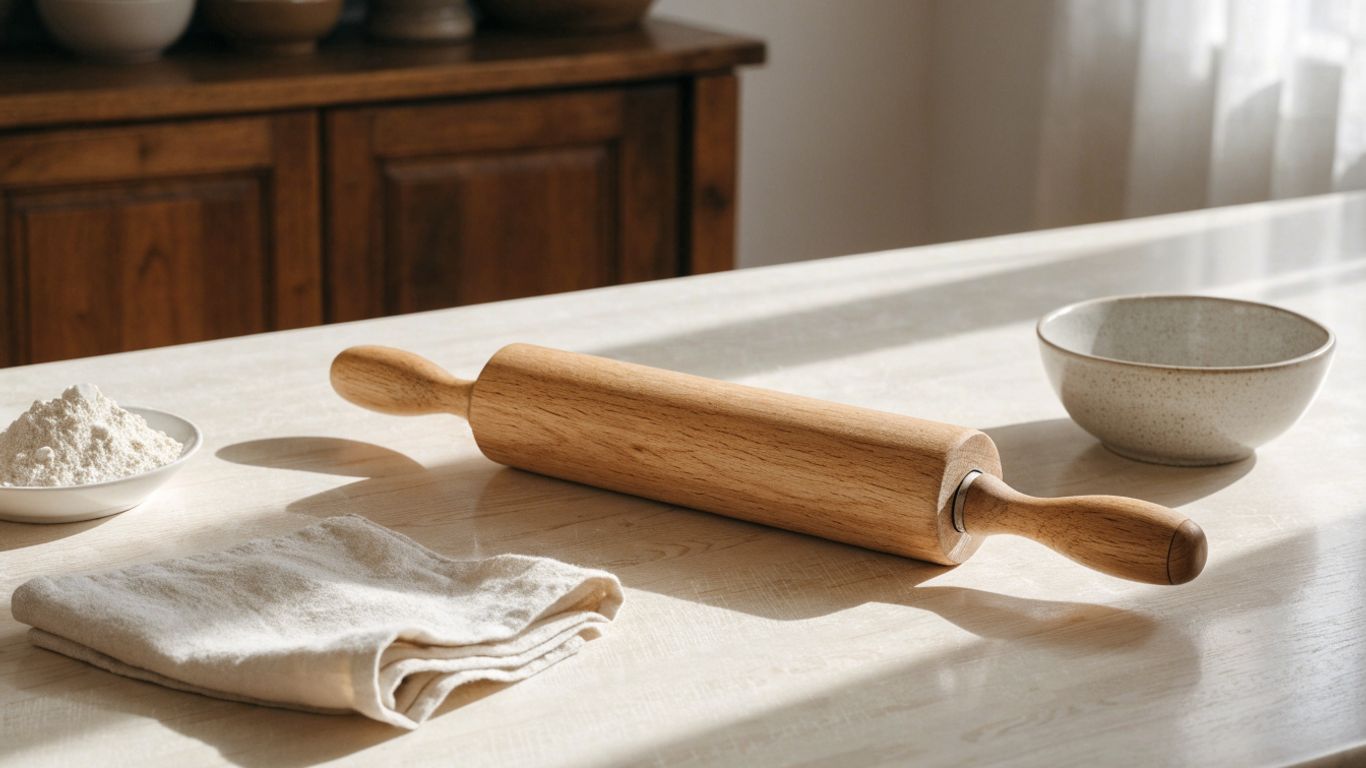
The short answer
To care for a wooden rolling pin, remove dough promptly, use as little water as you can, dry it completely, and store it in a dry place. Apply food-safe mineral oil only to unfinished wood when it looks dry and the maker’s instructions allow it.
- Identify whether the wood is unfinished or sealed before cleaning or conditioning.
- Wipe away flour and dough after each use, using a damp cloth for residue.
- Dry the pin thoroughly, and never soak it or put it in the dishwasher.
- Condition unfinished wood with a thin coat of food-safe mineral oil when needed.
- Store the pin dry and protect it from knocks, heat, and humidity.
What kind of rolling pin do you have?
The right care depends on the pin’s finish and construction, so check both before you reach for water or oil. Most routine cleanup is simple, but unfinished wood and sealed surfaces do not always respond the same way. A quick look at the maker’s directions can save you from treating a finish that was meant to be left alone.
Unfinished wood versus sealed or lacquered surfaces
Unfinished wood can absorb moisture and oil, while a sealed or lacquered surface has a coating that may be dulled or damaged by abrasive scrubbing. If you are unsure, check the product description or ask the maker rather than testing an oil on a visible spot. This distinction matters most when you condition the pin; for everyday cleanup, gentle wiping is a safe starting point.
| Surface | Everyday cleanup | Conditioning |
|---|---|---|
| Unfinished wood | Wipe with a dry or lightly damp cloth | Consider food-safe mineral oil if it looks dry |
| Sealed wood | Wipe gently and avoid abrasives | Follow the maker’s directions; oil may not be appropriate |
| Lacquered wood | Use a soft, slightly damp cloth | Do not apply oil unless the maker recommends it |
Use the table as a starting point, not a substitute for the care instructions for your particular pin. If the finish is peeling, cracked, or otherwise damaged, avoid adding oil and ask the maker how to proceed.
French pins, handled pins, and pins with moving parts
A French pin is a single tapered piece of wood, while a handled pin may have a barrel that turns around an axle. The one-piece style has fewer joints to trap dough or moisture; with a handled pin, pay attention to the ends and the area around the handles. Wipe those spots carefully, and do not force water into gaps or moving parts.
Check the maker’s care instructions before applying oil
A maker’s guidance takes precedence over general advice, especially if the pin has a finish or unusual construction. Some instructions may advise against oil entirely, while others may specify a particular product. If there are no instructions, limit cleanup to a gentle wipe and reserve conditioning for clearly unfinished wood that feels dry.
How should you clean the pin after each use?
Clean the pin soon after rolling dough, before residue hardens and becomes a small project. Start dry, then use a damp cloth only where the surface needs it. The same low-moisture approach applies to wooden spoons and utensils (see the best oil for wooden spoons for conditioning), though your pin’s own finish still determines its care.
Wipe away loose flour and dough promptly
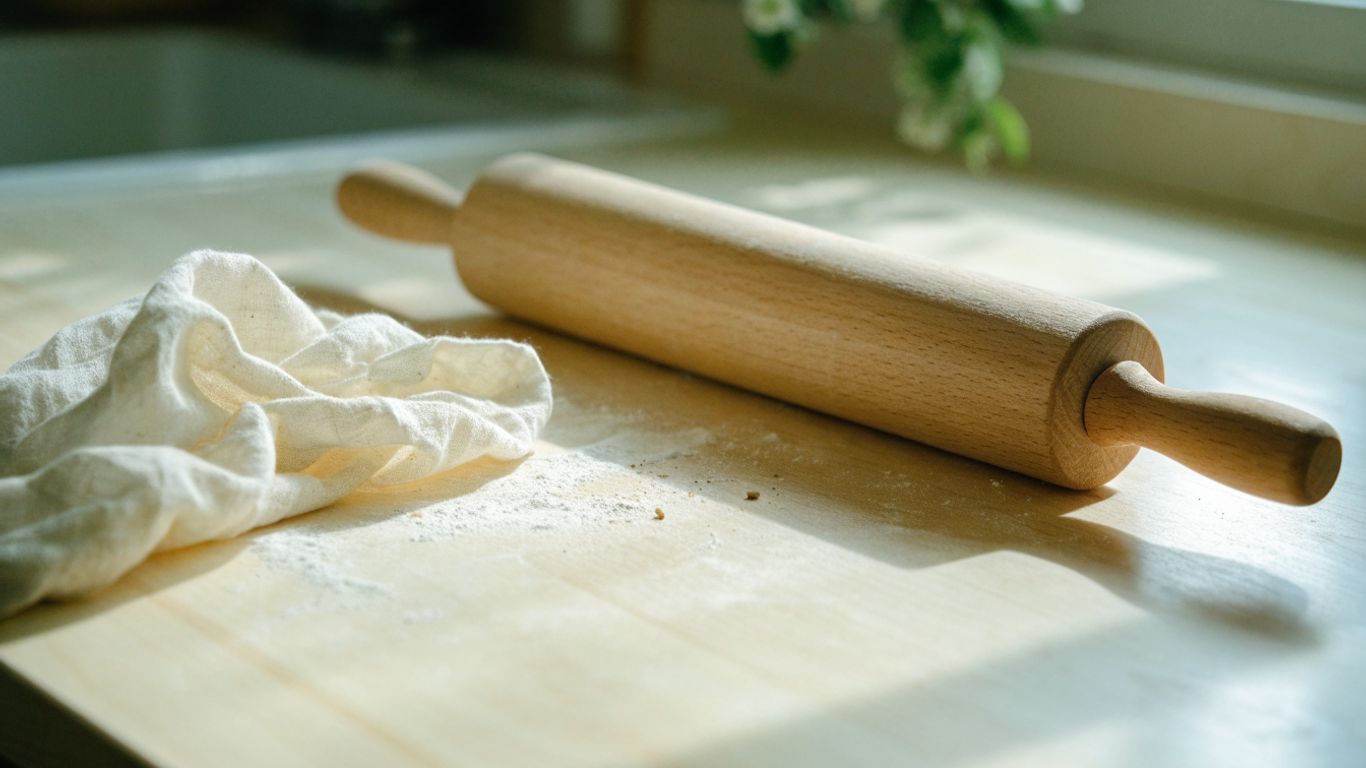
Brush away loose flour with a clean, dry cloth or soft brush. A quick wipe also removes soft dough before it dries into a stubborn patch. There is no need to wash the whole pin if it is clean; removing what is on the surface is usually enough.
Use a damp cloth for sticky residue
For sticky spots, dampen a soft cloth with warm water and wipe the affected area rather than running the pin under a tap. If a trace remains, a small amount of mild dish soap on the cloth can help; wipe again with a clean damp cloth to remove it. Keep the wood from sitting wet, since a fast wipe is different from a soak.
For a simple choice of cleaning method, match the amount of moisture to the residue instead of washing the entire pin by default. The gentler approach usually leaves less water to remove afterward.
| What you see | First step | Follow-up |
|---|---|---|
| Loose flour | Brush or wipe dry | Stop when the surface is clear |
| Soft dough | Wipe promptly with a dry cloth | Use a lightly damp cloth if needed |
| Sticky residue | Dab with a damp cloth | Use mild soap sparingly, then wipe clean |
| Dried dough | Loosen gently at an angle | Finish with a damp cloth if residue remains |
Once the residue is gone, dry the surface before setting the pin aside. For another rolling-pin-specific perspective, see this wooden rolling pin care guide.
Loosen dried-on dough gently without scraping the wood
If dough has dried, press a damp cloth against the spot briefly to soften it, then lift it away with a soft cloth or a non-sharp scraper. Work with the grain and keep the tool nearly flat so its edge does not dig in. Skip knives, abrasive pads, and forceful scraping; a gouge can collect dough the next time you bake.
How do you dry it and prevent damage?
Drying is part of cleaning, not an optional last step. Wipe off moisture right away, then leave the pin in a spot where air can reach the whole surface. A little water used carefully is manageable; prolonged moisture and intense heat are the avoidable problems.
Wipe off moisture right after cleaning
Use a clean towel to remove visible water as soon as you finish wiping the pin. Include the ends, handles, and any seams on a handled model. The surface should not feel damp when you put it down to air-dry.
Let the pin air-dry completely before putting it away
Set the pin on a dry surface with room for air to move around it. If it has handles, position it so moisture cannot sit in the joints. Wait until the entire pin feels dry before storing it; a closed drawer can trap dampness against the wood.
Avoid soaking, the dishwasher, and direct heat
Do not leave a wooden rolling pin in water or put it through a dishwasher cycle. Long exposure to water, dishwasher heat, and direct heat can stress the wood and its finish. The same low-moisture approach is useful for other wooden kitchen tools, but your pin’s maker may give more specific directions.
When should you condition unfinished wood?
Oil is for unfinished wood that needs conditioning, not a routine step for every rolling pin. A dry-looking surface may benefit from a light application of food-safe mineral oil, provided the maker permits it. Skip oil on sealed or lacquered finishes unless the care instructions say otherwise.
Signs the wood may benefit from food-safe mineral oil
Unfinished wood may look dull or feel noticeably dry when it needs attention. Those signs are a cue to check the instructions, not a reason to oil automatically on a fixed schedule. If the pin feels smooth and looks in good condition, ordinary cleaning and drying are enough.
Apply a thin coat and wipe away the excess
Start with a clean, fully dry pin and a small amount of food-safe mineral oil on a soft cloth. Spread a thin, even coat over unfinished wood, then wipe away any oil left sitting on the surface. Let the pin rest according to the oil and maker’s directions before using or storing it.
Avoid cooking oils that can turn rancid
Olive, vegetable, and other cooking oils are not good substitutes for mineral oil on wood. They can become stale or sticky rather than leaving a clean conditioning layer. Use a product intended for wood that contacts food, and follow its label.
How should you store the rolling pin?
Choose storage that keeps the pin dry, clean, and out of the way of daily kitchen knocks. A drawer or cupboard works if the pin is completely dry and the space is not warm or damp. The trade-off is simple: convenient storage is useful, but a cramped spot can leave the surface scratched or pressed against moisture.
Choose a dry spot away from heat and humidity
Keep the pin away from ovens, radiators, steamy areas, and persistent dampness. A stable, dry cupboard is a sensible choice, while a spot beside the sink often is not. If you store it in a drawer, make sure it is dry inside and does not press against a damp towel.
Keep it from resting against wet surfaces
Do not put the pin away on a wet counter or leave it in a sink. If you have just cleaned the counter, wait until it is dry or place the rolling pin on a clean, dry towel. The point is to avoid trapping moisture against the wood.
Protect the surface from scratches and dents
Give the pin its own space or place it where heavy utensils will not roll onto it. A deep scratch or dent can make dough harder to remove from that spot. Store handled pins so the handles are not bearing the weight of stacked cookware.
How do you handle wear, residue, and sticking dough?
A rolling pin that starts sticking or collecting residue may need a better cleanup routine, not aggressive sanding or more oil. Deal with buildup gently, then check the surface for damage before your next baking session. Small adjustments to your work surface can also prevent dough from clinging in the first place.
Remove stubborn buildup without damaging the wood
For stubborn patches, first soften the residue with a damp cloth and give it a moment to loosen. Then use a soft brush or a blunt-edged scraper held at a shallow angle. A few patient passes are safer than digging at the wood; follow with a clean damp cloth and dry the pin fully.
If you need a short sequence to work through a stubborn spot, keep the steps simple:
- Brush away loose flour and crumbs.
- Soften stuck dough with a damp cloth.
- Lift residue with a soft brush or blunt scraper.
- Wipe clean and dry the pin thoroughly.
Stop once the wood is clean rather than trying to make it look newly polished. If the residue remains after gentle cleaning, check the maker’s guidance before using stronger cleaners or abrasives.
Reduce sticking with flour and a clean work surface
A lightly floured pin and a clean, dry work surface help keep dough from adhering. Add flour in small amounts as you roll; too much can change the dough’s texture, so dust only when sticking starts. If the pin still grabs, pause and check whether the dough or surface needs a little more flour before pressing harder.
Know when cracks, splinters, or loose handles need attention
Stop using the pin if you find a splinter, a crack that catches dough, or a handle that has become loose. A damaged surface is harder to clean well and may worsen with continued use. Ask the maker whether it can be repaired; do not sand or glue a food-contact surface without suitable instructions.
What to remember when you care for a wooden rolling pin
A wooden rolling pin needs little fuss: remove dough promptly, keep water exposure brief, dry it completely, and store it somewhere dry. Condition only unfinished wood when it shows signs of dryness and the maker’s directions permit it. Those steady habits keep cleanup easy without turning a useful kitchen tool into a maintenance project.
Best for
- Unfinished wood pins: a dry or lightly damp wipe, and food-grade mineral oil only when the wood looks dry.
- Sealed pins: a gentle wipe with no abrasives, and the maker’s directions before any oil.
- Lacquered pins: a soft, slightly damp cloth, and no oil unless the maker recommends it.
- Handled pins with moving parts: careful wiping around the ends and handles, with no water forced into the gaps.
Frequently Asked Questions
Can you wash a wooden rolling pin with soap?
If needed, use a small amount of mild dish soap on a damp cloth, then wipe with a clean damp cloth. Avoid soaking the pin or leaving soap residue on the wood.
Should you put a wooden rolling pin in the dishwasher?
No. The combination of water, heat, and detergent can damage wood or its finish. Clean it by hand with a dry or lightly damp cloth instead.
How do you remove dried dough from a rolling pin?
Soften the dough with a damp cloth, then lift it gently with a soft brush or blunt-edged scraper. Avoid knives or sharp scraping that could gouge the wood.
Should you oil every wooden rolling pin?
No. Oil is generally for unfinished wood that looks or feels dry, and only when the maker’s instructions allow it. Do not assume a sealed or lacquered pin needs oil.
What oil can you use on an unfinished rolling pin?
Use food-safe mineral oil intended for wood that contacts food, following the product directions. Avoid cooking oils such as olive or vegetable oil, which can become stale or sticky.
How should you dry a wooden rolling pin after cleaning?
Wipe it with a clean towel, including the ends and any joints, then let it air-dry completely. Do not store it while damp or set it beside direct heat to speed drying.
Where should you store a wooden rolling pin?
Keep it in a clean, dry cupboard or drawer away from heat, steam, and wet surfaces. Make sure it is fully dry and protected from heavy objects that could dent or scratch it.
What should you do next?
- Check the maker’s care instructions and work out which finish your pin has.
- Wipe off flour and dough right after each use.
- Dry the pin completely before you put it away.
- Care for your other wooden tools with how to clean wooden spoons and utensils.
- Look after your board too with how to care for a bamboo cutting board.