CARE GUIDES
A Better Vegetable Prep Flow for Weeknight Cooking
A repeatable order for washing, cutting, staging, and storing vegetables before a busy weeknight meal.
The short answer
Read the recipe first, then group ingredients by cutting style. Start with dry vegetables, move to onions and garlic, and finish with herbs and tomatoes. Keep scraps in one bowl and finished ingredients in separate piles.
What tools make vegetable prep easier?
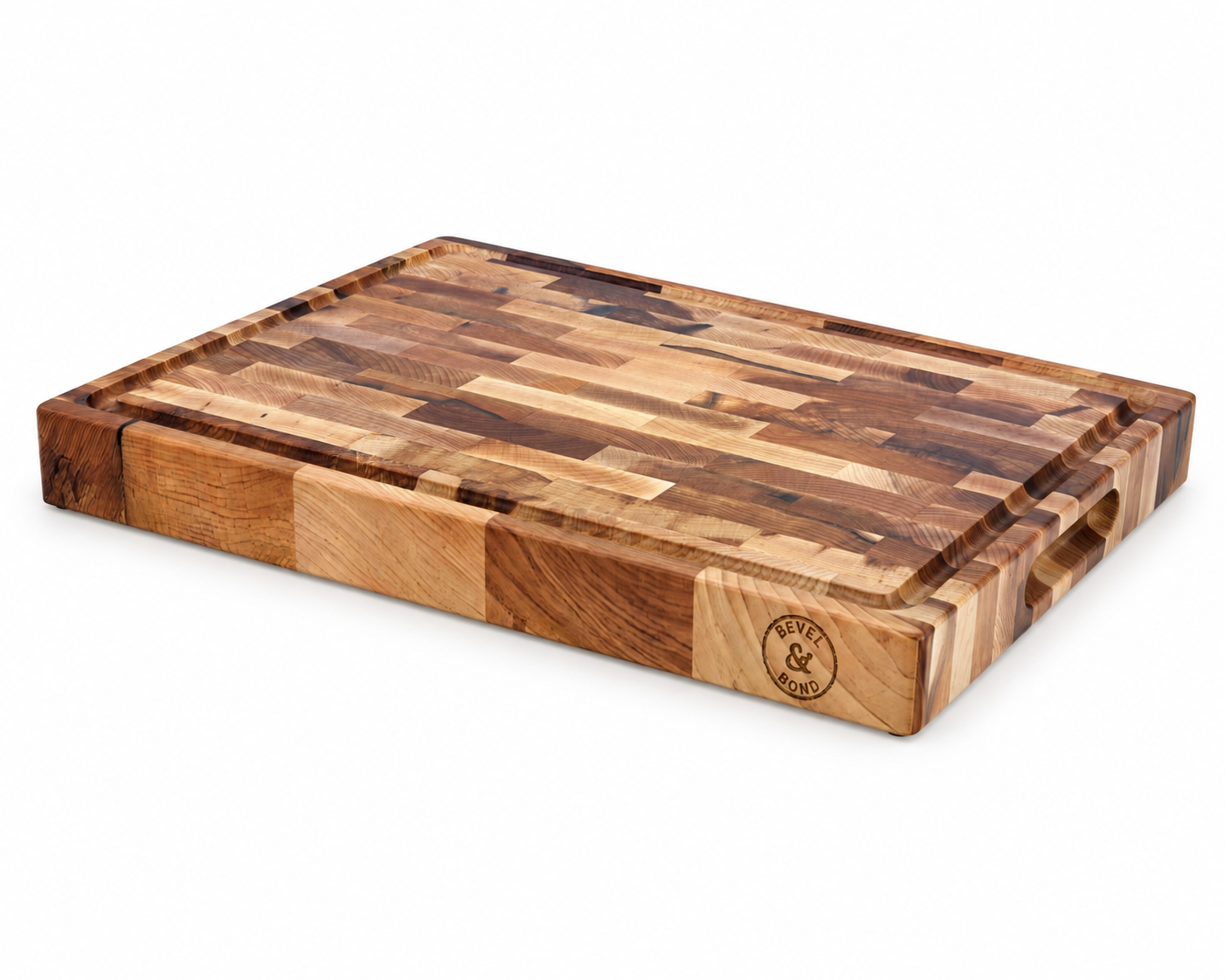
Use a stable board and sharp knife, and move chopped food with a bench scraper. If you are prepping several meals, cool ingredients before sealing containers and label anything that needs to be used first. A large board is helpful, but only if it fits your sink and storage.
For a workstation layout, read this mise en place setup guide.
Why does prep order matter?
Working from dry to wet keeps the board clean for longer. Firm, dry vegetables leave little behind, so you can push them aside and keep cutting.
Onions and garlic come next because they release juice and a strong smell. Herbs and tomatoes go last. They are soft and wet, and cut herbs bruise and darken the longer they sit.
| Group | Examples | When to cut | Why |
|---|---|---|---|
| Firm, dry vegetables | Carrots, celery, peppers, potatoes | First | They leave little juice on the board |
| Alliums | Onions, shallots, garlic | Middle | They release juice and a strong smell |
| Soft and wet | Herbs, tomatoes | Last | They wet the board and bruise if cut early |
Why should you cut vegetables to the same size?
Pieces of the same size cook at the same rate. Mix big and small pieces, and the small ones scorch or go soft before the big ones are done.
Match the size to the cooking method. Cut smaller for a quick saute and larger for roasting or a long simmer.
How do you keep prepped vegetables fresh until dinner?
Store cut vegetables in sealed containers in the refrigerator. Dry washed greens and herbs before you pack them, because extra water makes them wilt faster.
Keep cut onions and garlic sealed so their smell stays out of other food. Cut potatoes darken in the air, so cover them with cold water if they will sit before cooking.
How do you keep vegetable prep safe?
Rinse produce under running water before you cut it, even if you plan to peel it. Cut vegetables before any raw meat, or use a separate board for the meat.
After raw meat, poultry, or fish, wash the board, the knife, and your hands with hot soapy water before you go back to produce.
Before you start
- What you need: A sharp 8-inch chef's knife (roughly $30 to $150), a board at least 15 by 20 inches, a bench scraper and a few lidded containers. Nothing else is required.
- Time: Expect about 15 to 25 minutes to prep vegetables for a weeknight meal for four. Prepping two or three nights at once and storing cut vegetables in sealed containers in the fridge saves a second round of washing up.
- Alternatives: A mandoline gives even slices fast (always use the hand guard), a food processor handles big batches of onions or carrots, and pre-cut vegetables from the store save time at a higher price per pound.
- Common mistakes: Washing produce after it is cut instead of before, working with a dull knife (it slips and crushes), piling too much on the board at once, and cutting vegetables on a board that just held raw meat without washing it first.
Sources: USDA FSIS: Cutting Boards and Food Safety.
Frequently Asked Questions
What order should you prep vegetables in?
Start with firm, dry vegetables, move on to onions and garlic, and finish with herbs and tomatoes. That order keeps the board drier and cleaner while you work.
What should you do with scraps while you prep?
Keep all scraps in one bowl and keep finished ingredients in separate piles. The board stays clear and you can see what is done.
What is the fastest way to move chopped food off the board?
Use a bench scraper. It lifts a whole pile at once and keeps your knife edge off the board.
How should you store vegetables you prep for several meals?
Cool any cooked ingredients before you seal the containers. Label anything that needs to be used first.
How big should a vegetable prep board be?
A large board gives you room to work, but only if it fits your sink and your storage. Pick the biggest board you can wash and put away easily.
What should you do next?
- Read tonight's recipe and group the vegetables by cutting style.
- Set out a scrap bowl and a bench scraper before you start.
- Cut in order: firm vegetables, then alliums, then herbs and tomatoes.
- Build a full station with this mise en place setup guide.
- If your knife drags through onion skin, read why your knives go dull so fast.
SEE AN EXAMPLE
How this guide was put together
The Cutting Board Care Guide team writes and fact-checks every guide on Cutting Board Care Guide. Comparisons are based on maker specifications, published standards and food-safety guidance from sources such as the USDA, and each guide is reviewed and updated when specs or prices change. More about us.